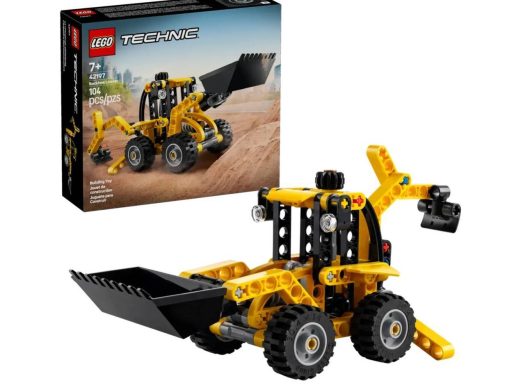
When holding a small LEGO brick, it is hard to imagine the extraordinary precision behind its production. LEGO bricks are considered among the most accurately manufactured plastic products in the world.
Every year, LEGO factories produce tens of billions of bricks. Remarkably, a brick made today can still connect perfectly with one produced decades ago.
The Raw Materials
Most LEGO bricks are made from a special plastic called ABS (Acrylonitrile Butadiene Styrene).
This material is chosen because it is:
- Durable
- Impact-resistant
- Colorfast
- Shape-stable
- Safe for children
These qualities help LEGO bricks maintain their appearance and functionality for many years.
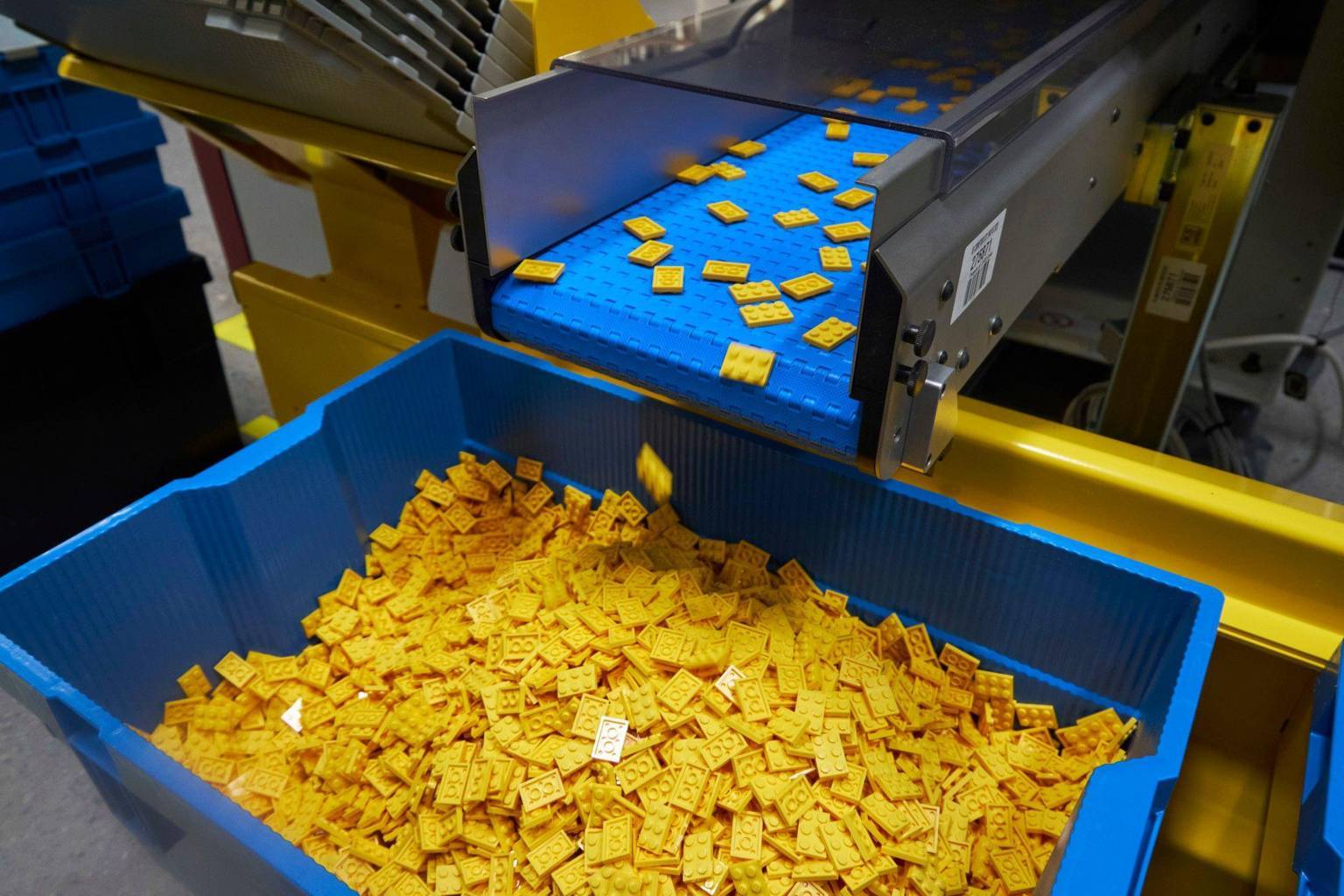
Step 1: Melting the Plastic
Production begins with tiny ABS plastic pellets.
The pellets are heated to approximately 230°C until they melt into liquid plastic.
Step 2: Precision Injection Molding
The molten plastic is injected into highly precise steel molds.
Each mold is designed for a specific LEGO element.
Under high pressure, the plastic fills the mold within seconds before being cooled and hardened.
The manufacturing tolerance is extremely small—measured in thousandths of a millimeter.
Without this precision, LEGO bricks would not fit together properly.

Step 3: Quality Control
After molding, the bricks undergo strict quality inspections.
Engineers check:
- Dimensions
- Color consistency
- Durability
- Clutch power
- Surface quality
Any piece that fails inspection is discarded.
Step 4: Printing Decorations
Special elements such as minifigure faces, uniforms, control panels, and decorative parts are printed using industrial printing machines.
The printing is designed to resist wear during normal play.
Step 5: Packaging
Automated systems sort and count the parts required for each LEGO set.
The pieces are packaged into bags and placed into boxes before being shipped worldwide.
Why Is LEGO So Precise?
One of LEGO’s greatest strengths is manufacturing precision.
Its steel molds are extremely expensive and engineered to exact standards.
This allows LEGO bricks to:
- Fit together perfectly
- Build strong models
- Last for decades
- Provide a consistent building experience
LEGO and Sustainability
In recent years, LEGO has invested heavily in sustainable materials.
Some plant elements are already produced using plastic derived from plant-based sources.
The company continues to research environmentally friendly alternatives while maintaining the quality builders expect.
Behind every LEGO brick is a sophisticated manufacturing process built on precision engineering and quality control. From tiny plastic pellets to finished building sets, LEGO combines technology, craftsmanship, and innovation to create one of the world’s most beloved toys.