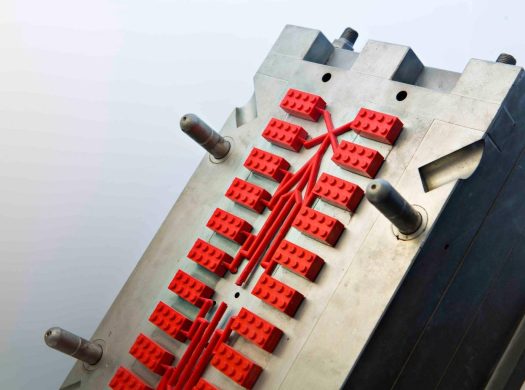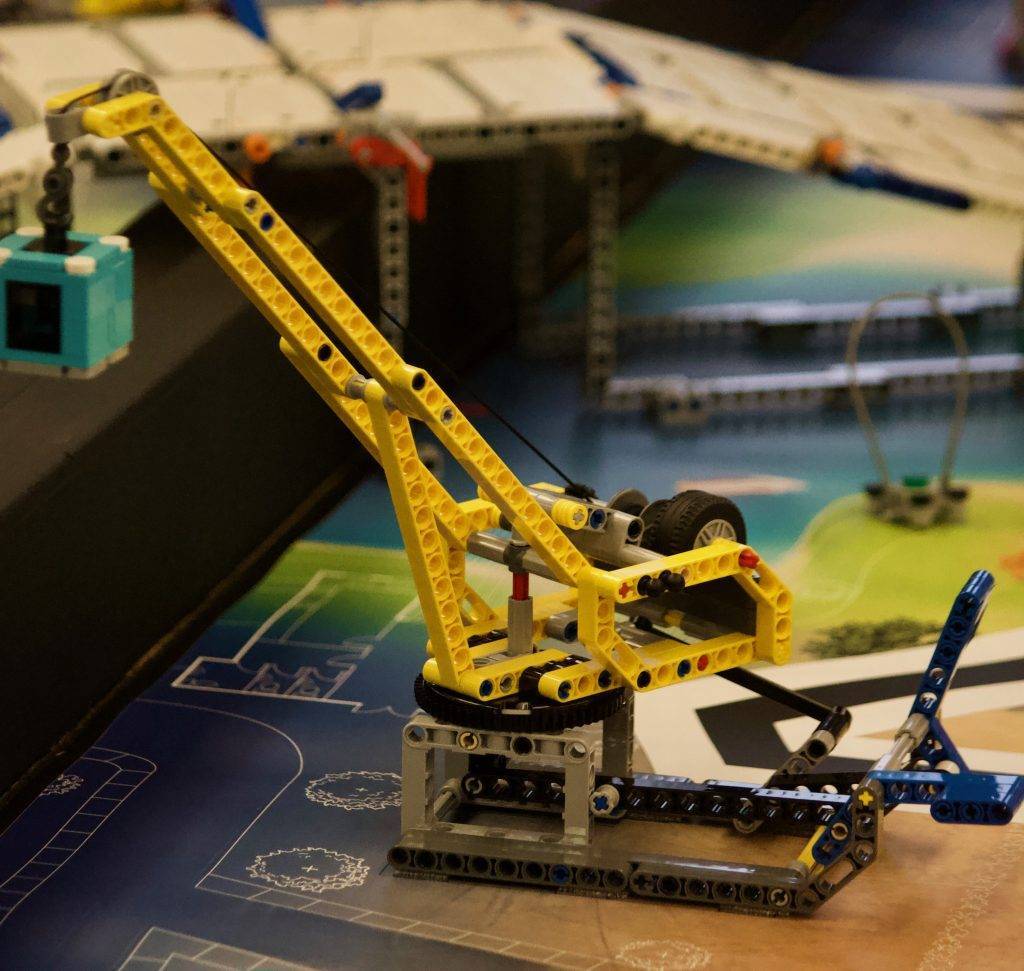
Today, LEGO is much more than a toy. It has become a powerful educational tool used in classrooms around the world. From preschool programs to advanced engineering workshops, LEGO helps students learn through hands-on experiences.
This is why LEGO is often associated with STEM education.
What Is STEM?
STEM stands for:
- Science
- Technology
- Engineering
- Mathematics
Rather than studying these subjects separately, STEM encourages students to combine knowledge from different fields to solve real-world problems.
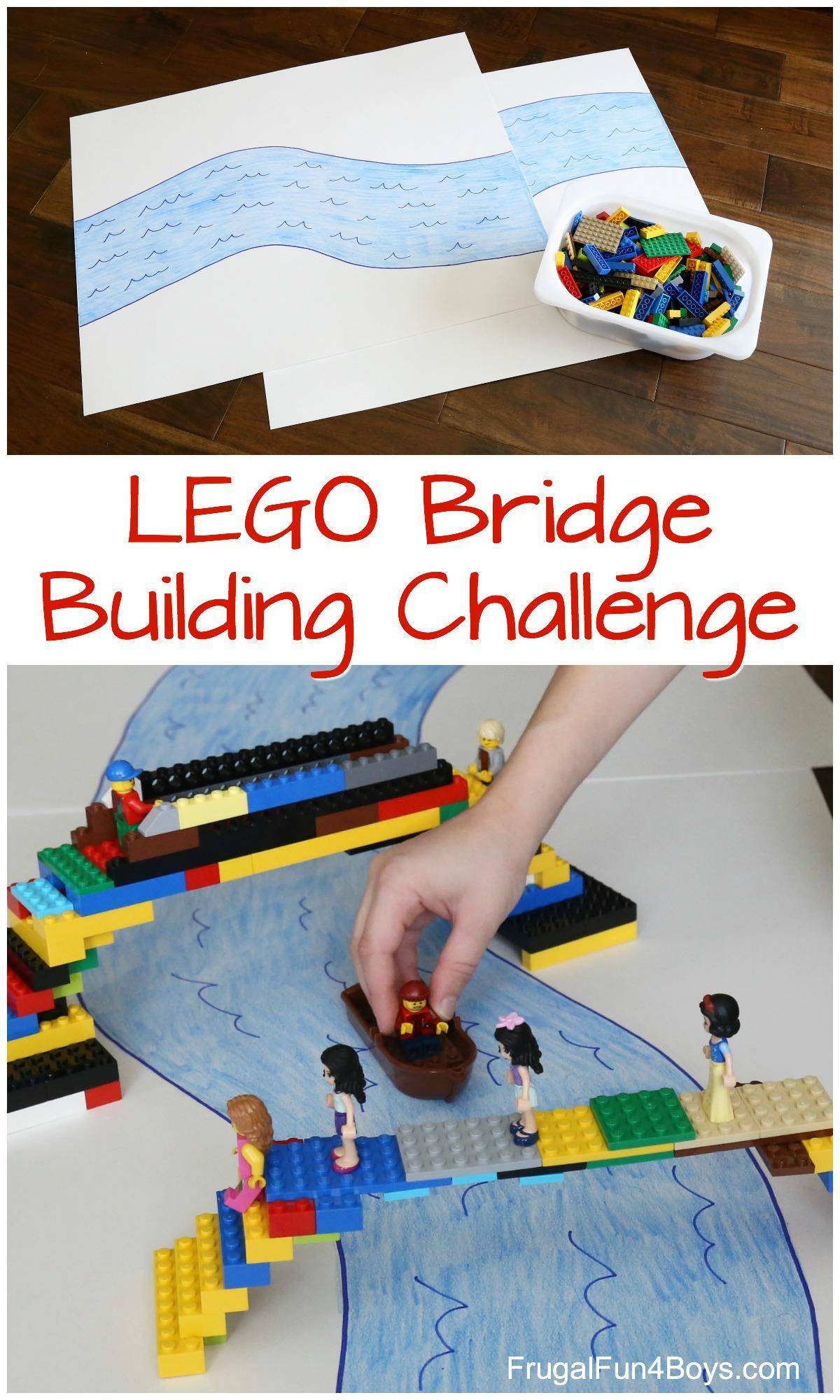
Why Is LEGO Perfect for STEM?
LEGO naturally encourages children to:
- Observe
- Experiment
- Design
- Test ideas
- Solve problems
These are the same skills used by scientists, engineers, and inventors.
Instead of simply memorizing information, students learn by doing.
LEGO and Science
Building with LEGO introduces scientific concepts such as:
- Gravity
- Balance
- Friction
- Force
- Motion
When a LEGO tower falls over, children begin asking scientific questions and searching for solutions.
LEGO and Engineering
Engineering is about designing solutions to challenges.
When children build with LEGO, they think like engineers:
- Is the structure strong enough?
- How can it support more weight?
- Which design works best?
These activities develop engineering thinking from an early age.
LEGO and Mathematics
LEGO also supports mathematical learning through:
- Counting
- Measurement
- Ratios
- Symmetry
- Geometry
Children use mathematical reasoning every time they plan and build a model.
LEGO and Technology
Modern LEGO products often include:
- Sensors
- Electric motors
- Smart controllers
- Computer connectivity
- Robot programming
These tools help children explore modern technology in a fun and engaging way.
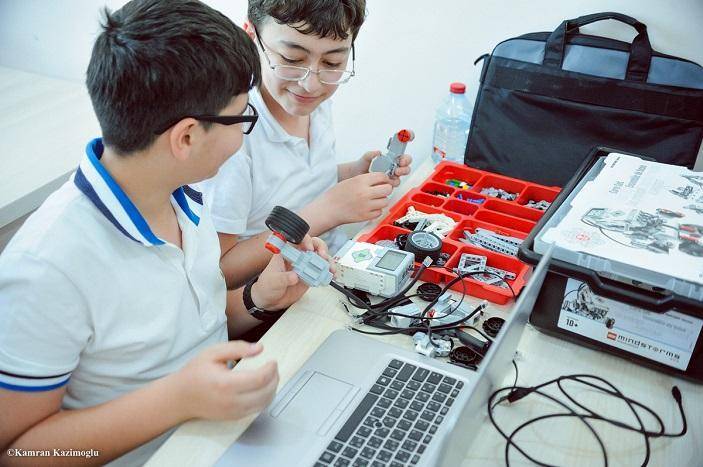
LEGO Robotics
LEGO Robotics programs allow students to:
- Build robots
- Write code
- Use sensors
- Complete engineering challenges
Students learn programming and engineering while solving practical problems.
Learning Through Experimentation
One of the greatest strengths of STEM education is learning through trial and error.
When a LEGO creation fails, students learn to:
- Identify problems
- Analyze causes
- Improve designs
- Try again
This process builds critical thinking and resilience.
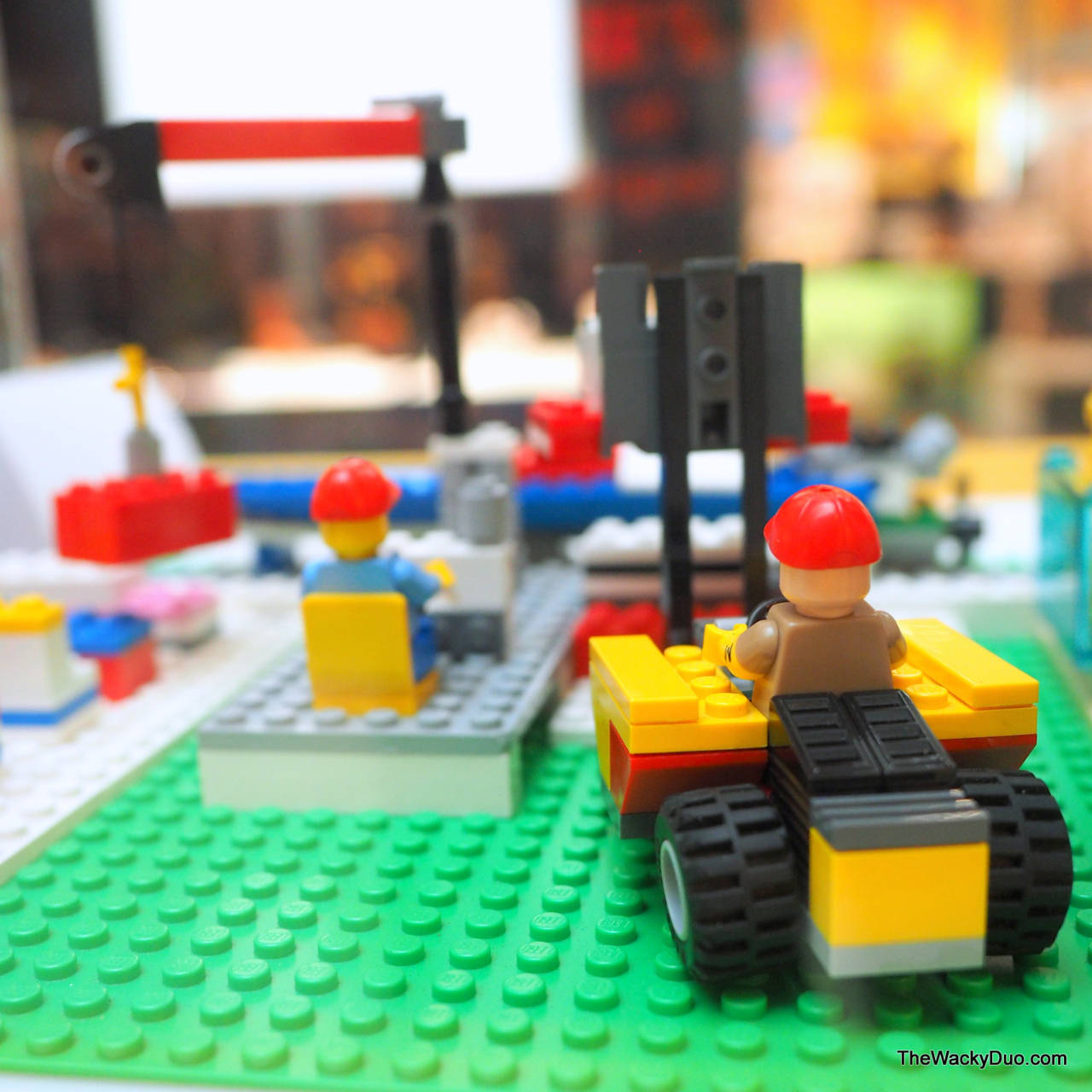
Why Schools Use LEGO
Schools choose LEGO because it:
- Encourages creativity
- Makes learning enjoyable
- Supports teamwork
- Combines multiple subjects
- Promotes hands-on learning
Students often learn more effectively when they actively participate in the learning process.
LEGO and STEM education are a perfect combination of creativity and learning. Through simple building activities, children can explore science, technology, engineering, and mathematics in an engaging and meaningful way.
Every LEGO creation is more than a model—it is an opportunity to learn, experiment, and discover how the world works.