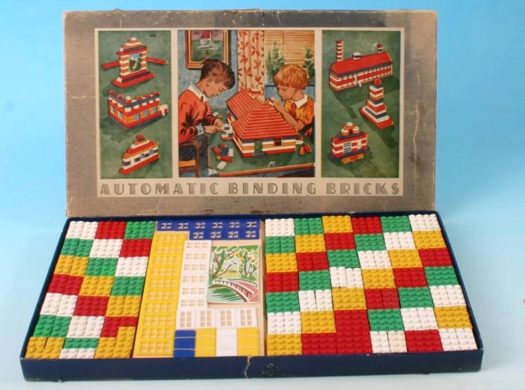
Many parents see LEGO as a simple toy. However, educators view LEGO as a powerful learning tool that helps children develop important cognitive and life skills.
This is one reason LEGO is widely used in homes, schools, and STEM education programs around the world.
LEGO Encourages Thinking
When children build with LEGO, they constantly ask themselves questions:
- What do I want to build?
- Where should I start?
- Which pieces should come first?
- How can I make the structure stable?
This process develops logical thinking and planning skills.

LEGO Develops Imagination
A box of LEGO bricks can become almost anything.
Today it might be a house.
Tomorrow it could be a spaceship.
The next day it might become a castle or an entire city.
LEGO encourages children to turn ideas into reality.
LEGO Builds Problem-Solving Skills
During construction, children often encounter challenges.
A structure may collapse.
A piece may not fit.
The design may not work as expected.
Each challenge encourages children to find solutions and think creatively.

LEGO Improves Concentration
Building LEGO models often requires sustained attention.
Children may spend long periods focused on completing a project.
This helps develop:
- Concentration
- Patience
- Persistence
- Goal-oriented thinking
LEGO Strengthens Fine Motor Skills
Handling small bricks helps improve hand-eye coordination and fine motor control.
These skills are important for writing, drawing, crafting, and many daily activities.
LEGO Teaches Children to Learn from Mistakes
Not every LEGO creation succeeds on the first attempt.
Models may need to be rebuilt several times.
Through this experience, children learn that mistakes are a natural part of learning and improvement.
LEGO Encourages Teamwork
When children build together, they learn to:
- Share ideas
- Listen to others
- Divide responsibilities
- Work toward a common goal
These social skills are valuable throughout life.

LEGO and STEM Education
LEGO is widely used in STEM education programs.
Children can explore concepts such as:
- Balance
- Engineering structures
- Mechanical motion
- Gears
- Motors
- Robotics programming
Learning becomes more interactive and engaging.
The Most Important Benefit
The greatest value of LEGO is not the bricks themselves.
It is the way LEGO encourages curiosity, experimentation, creativity, and lifelong learning.
LEGO helps children become smarter by encouraging them to think, create, solve problems, and persevere through challenges. Every new LEGO project is not just play—it is an opportunity to learn valuable skills that can benefit children throughout their lives.