LEGO is one of the world’s most famous construction toy brands. LEGO sets consist of small plastic bricks that can be connected together to create countless models, including houses, vehicles, trains, cities, architectural landmarks, and even robots.
More than just a toy, LEGO encourages creativity, problem-solving skills, engineering thinking, and imagination.
Today, billions of LEGO bricks are used in more than 140 countries around the world.
The Origin of LEGO
The name LEGO comes from the Danish phrase “Leg Godt,” which means “Play Well.”
Interestingly, the company’s founder did not know that the Latin word “lego” can also mean “I put together” or “I assemble,” which perfectly matches the purpose of LEGO bricks.
The Founder of LEGO
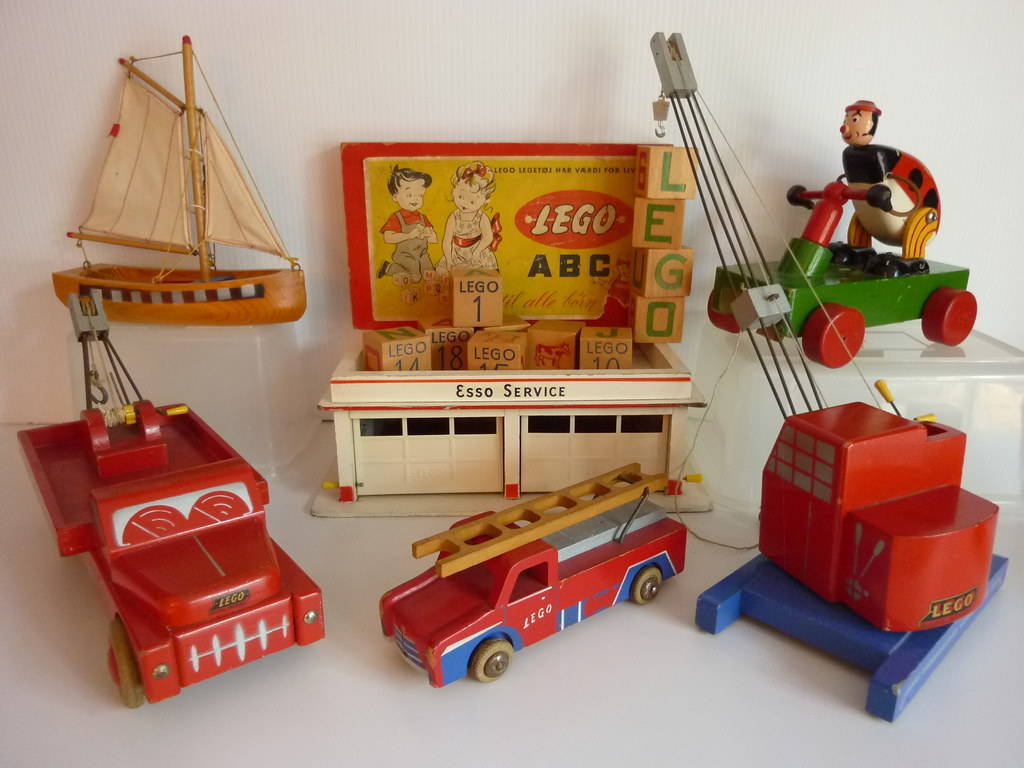
LEGO was founded in 1932 by Ole Kirk Christiansen, a carpenter from Denmark.
The company originally produced wooden toys such as wagons, animals, handcrafted toys, and small furniture for children.
His famous motto was:
“Only the best is good enough.”
This principle remains one of LEGO’s core values today.
From Wooden Toys to Plastic Bricks

After World War II, plastic manufacturing technology began expanding throughout Europe.
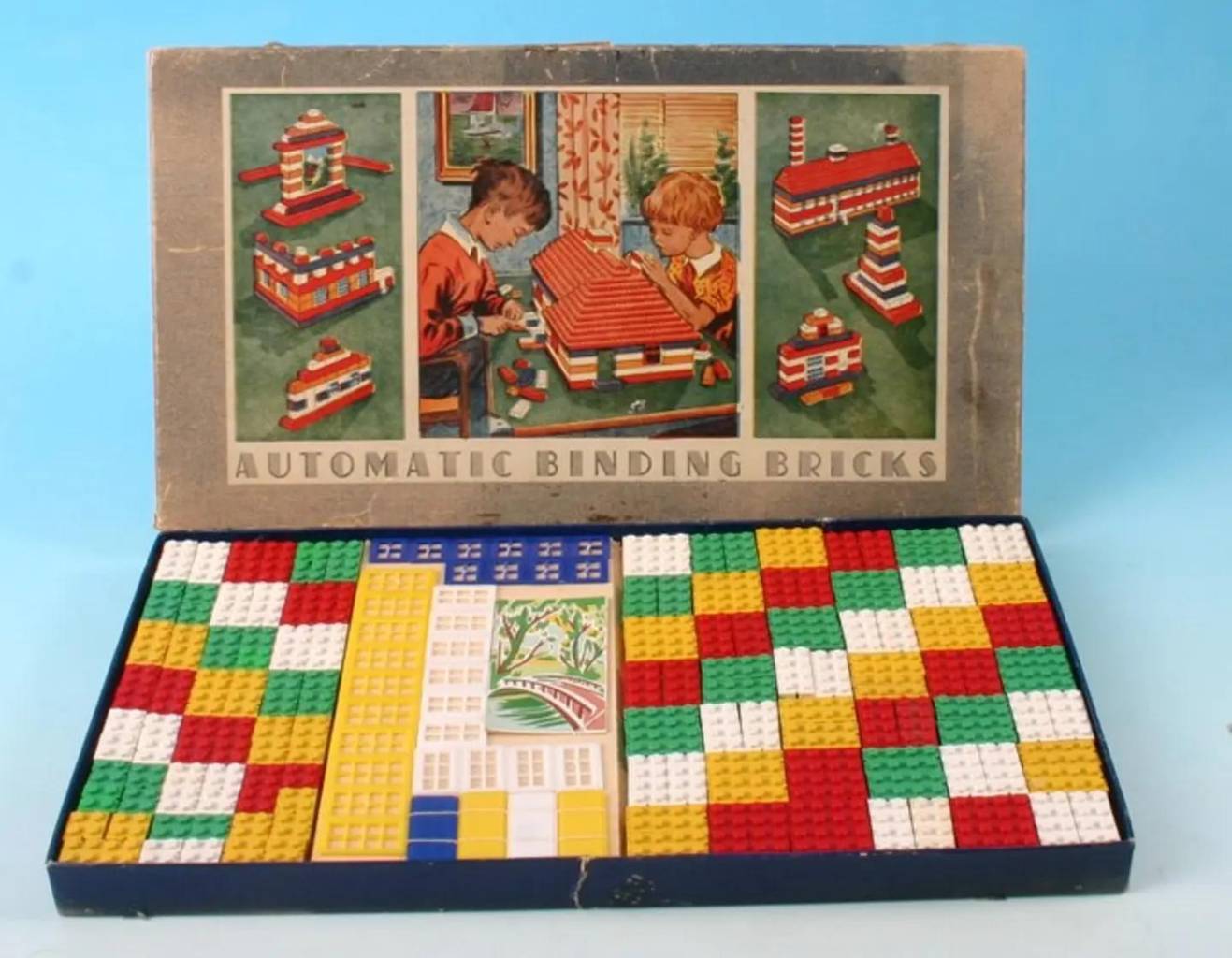
In 1949, LEGO introduced its first plastic building blocks called “Automatic Binding Bricks,” which later evolved into modern LEGO bricks.
The most important milestone came in 1958 when LEGO patented its tube-and-stud brick design. This innovation allowed bricks to connect much more securely.
Remarkably, a LEGO brick produced today can still connect perfectly with one manufactured decades ago.
LEGO Becomes a Global Brand
Over the following decades, LEGO expanded into numerous product lines and international markets.
Some of the most popular themes include:
- LEGO City
- LEGO Technic
- LEGO Creator
- LEGO Architecture
- LEGO Star Wars
- LEGO Harry Potter
These increasingly sophisticated sets attracted not only children but also adult builders and collectors.
LEGO and Education
Today, LEGO is widely used in STEM education (Science, Technology, Engineering, and Mathematics).
Through LEGO building activities, children can develop:
- Logical thinking
- Creativity
- Problem-solving skills
- Teamwork
- Mechanical understanding
- Engineering concepts
Many schools worldwide use LEGO as an engaging educational tool to introduce students to science and technology.
The Future of LEGO
From a small wooden toy workshop in Denmark in 1932, LEGO has grown into one of the most valuable toy brands in the world.
Today, LEGO continues to expand into educational robotics, coding, video games, and environmentally sustainable products designed to reduce environmental impact.
LEGO is much more than a toy. It is a tool that inspires imagination, creativity, and problem-solving skills for people of all ages. From a handful of plastic bricks to a global phenomenon, LEGO has inspired generations of builders for nearly a century.